Kamis, 13 Juni 2013

Remembering life before Photoshop

Yesterday we were photographing with a model by a stream with very bright and harsh, afternoon light. In the days of film, I would never choose to photograph at that time of day and under those lighting conditions because in those days there was not post-processing tools available for correcting the images.  On top of that, the dynamic range of film was severely limiting resulting it blown highlights and black shadows. Necessity being the mother of convention, I did have to improvise techniques for dealing with the situations.  I combined amber and D color correction filters to mimic sunset.  I put all manner of transparent articles in front of the lens to create softening blurs and a misty look.  Today, all of these tools are readily available in Photoshop.  I tossed out a 12" stack of correcting lens filters years ago.

In the original scene below the light is blotchy and uninteresting. Furthermore, I was creating an image for stock use and wanted to have some neutral areas in the frame where a designer could easily place some type without an interfering background. Fortunately, the camera's dynamic range provided me with the necessary detail to handle the shadows and highlights.


After a modest amount of work in Photoshop the image I ended up with the version below -- much brighter, more emphasis on the woman, lots of room for type placement, and a sunset glow.


I didn't do this to all of the images from this scene.  The original scene with its green coloring is also lends itself to a more natural look. So in the shot below I enhanced the green and dealt with the blown highlights. Only the extreme dynamic range of a modern, professional digital camera is capable of capturing such a wide range of detail on a day with such extreme light.


Rabu, 12 Juni 2013

Fuji (Fujifilm) XF 55-200mm f/3.5-4.8 lens
a hands on review

Fuji expands the optical system of its X cameras with the introduction of the XF 55-200mm (83-300mm equivalent) telephoto zoom lens. It compliments the current medium range zoom, the Fuji 18-55mm (27-83mm equivalent), and will be the second of three zooms intended for the X series cameras.  The super wide angle 10-24mm (15-36mm equivalent) will complete the series later in the year.

The Fuji 55-200mm zoom mounted on an X-Pro1 and shown next to the current 18-55mm lens.


The build quality of this lens feels solid and comfortable, weighing in at 20.46oz (580g).  It is 4.65" (118mm) long with a diameter of 2.95" (75mm). With the hood it extends 7.25" (184mm) from the camera. It accepts 62mm filters, and focuses as close as 3.1' (1.1m) for a magnification of .18x.  The variable aperture of f/3.5-4.8 closes down to f/22.

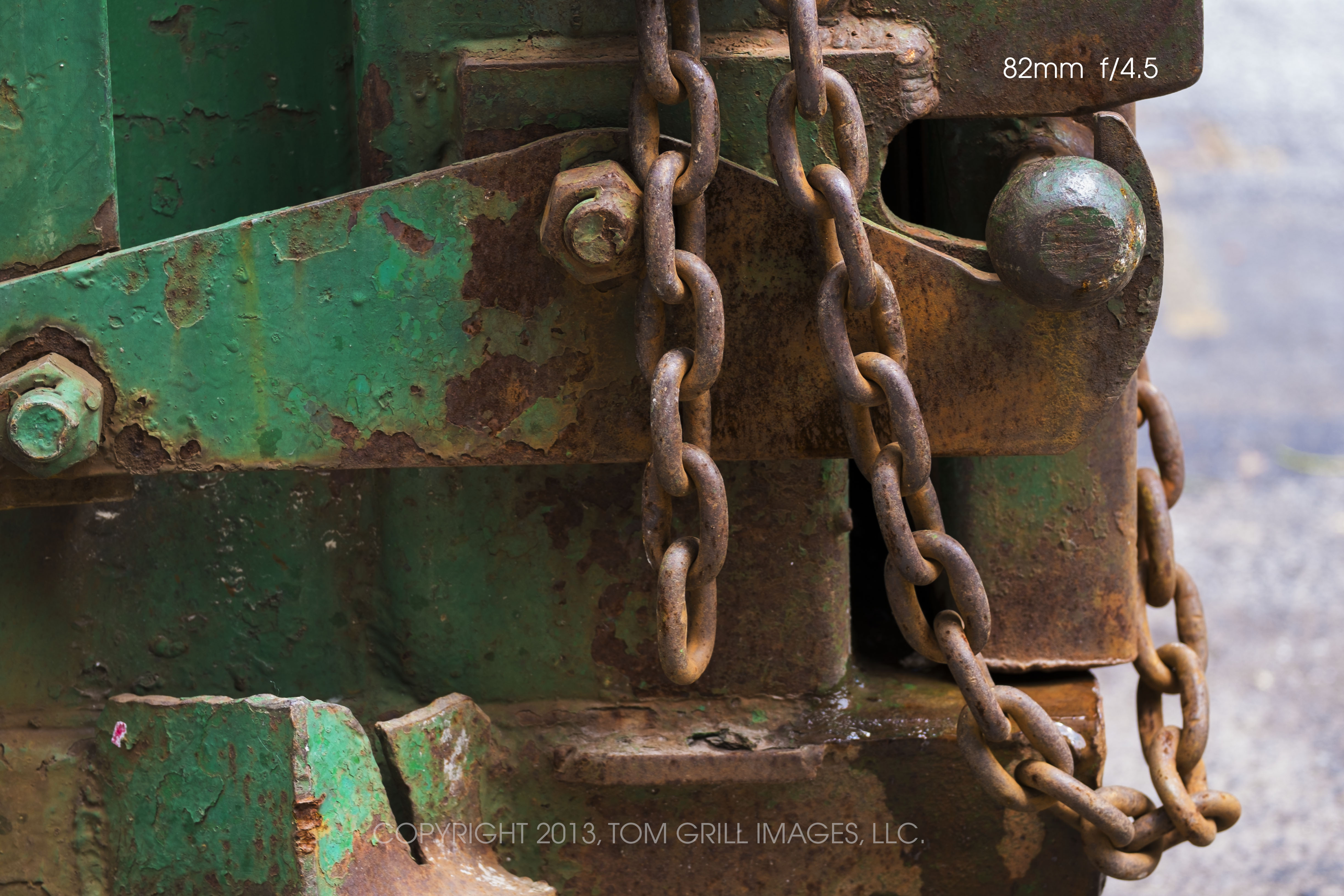
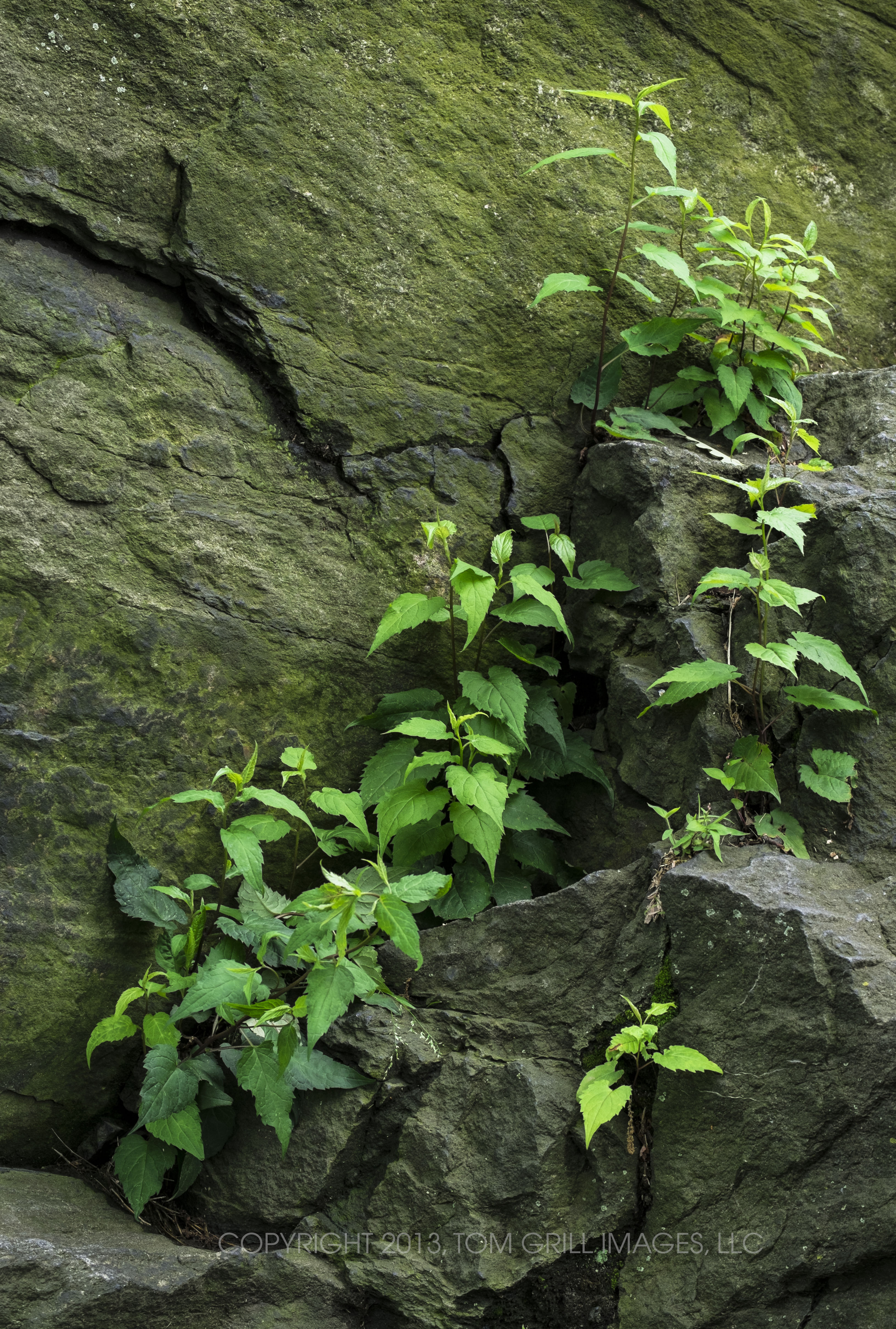
My first test is always to examine the sharpness of a lens, with particular attention to the corners of the frame.  This lens passed with flying colors.  Corners were sharp at all focal lengths and even with the aperture wide open. I have included some of the test images below with a link to download the high res version so you can judge the performance for yourself.

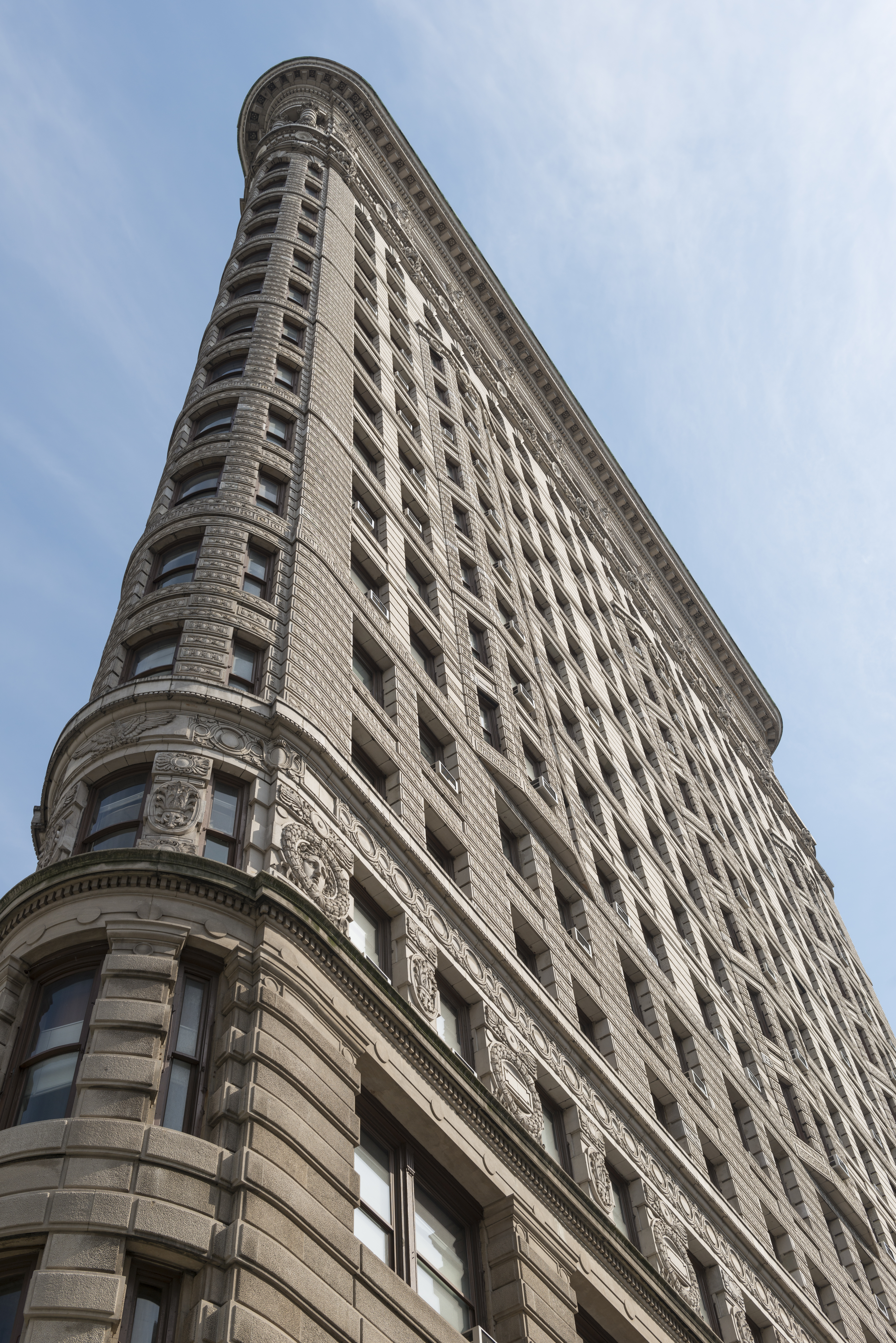
There is no apparent linear distortion at any focal length as you can see from the photo above and those below. Click here to download a hi res version of this file.

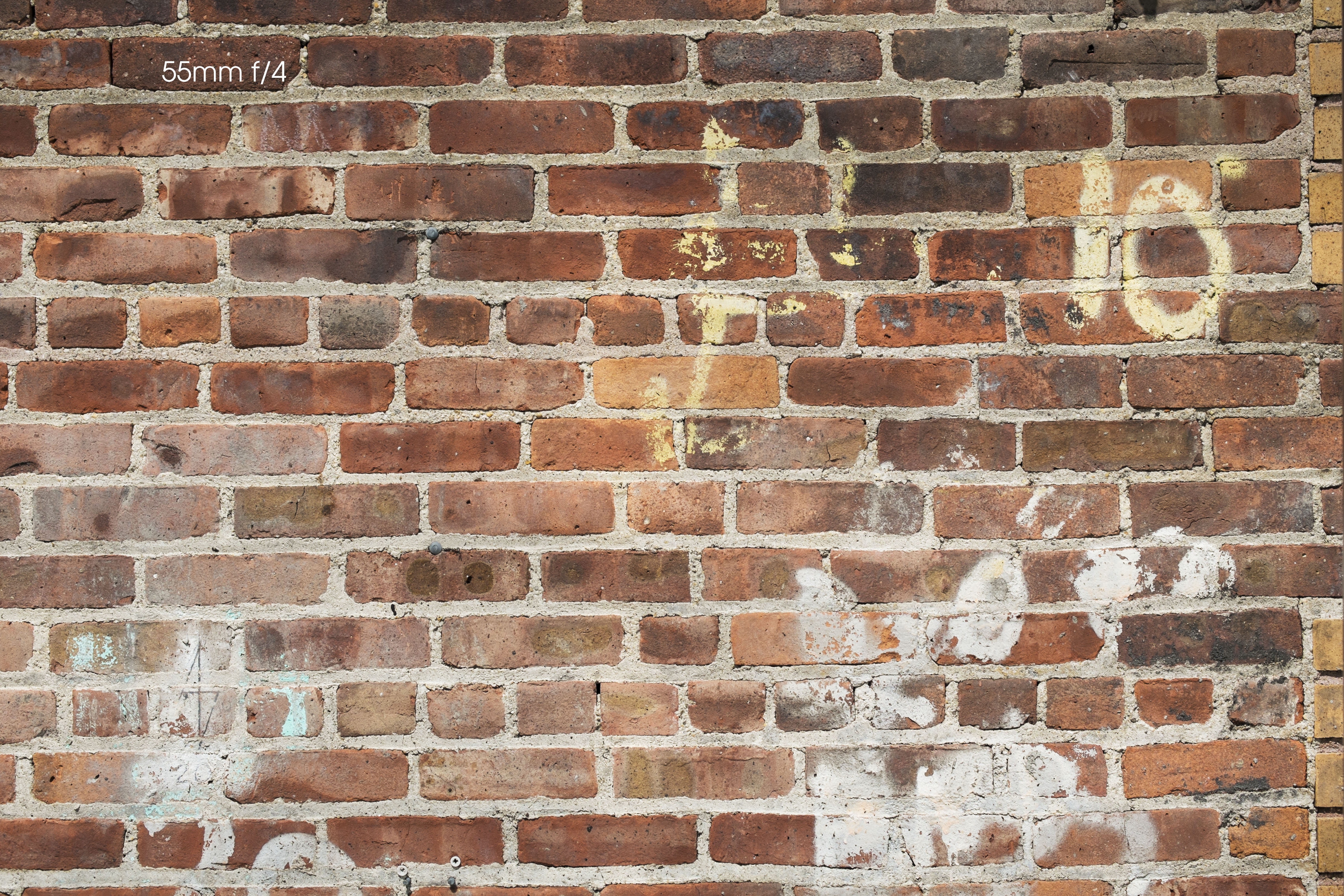
This is a brick wall test shot at three different focal lengths, 55mm, 100mm, and 200mm. Download the hi res versions using the links below.

The photos above also demonstrate the lack of linear distortion at all focal lengths. Vignetting also appears to be absent.

At 3.1' (1.1m) the lens is not setting any records for close focus, but with the equivalence of 300mm focal length you can get substantial enlargements like the example above.

The new zoom is a comfortable size as can be seen in this comparison with the 18-55mm model.
The lens hood is large but can reverse on the lens for storage, making it a more compact package for travel. The optical viewfinder does not have frame lines that zoom in and out to show the focal length as it does for the 18-55mm lens.  It does show a frame line for the 55mm focal length and the relative position of the focus spot within the frame. With a lens of this extreme length frame lines would be impractical. An electronic viewfinder is really the only way to go.

A big plus of the lens is its Optical Image Stabilization (OIS) feature, which is activated by a switch on the lens.  This adds 4.5 extra stops of stability for hand held photography.  All the test images in this post were shot hand held.

Click here to download a hi res version of this image.  This image should provide a good example of there resolution capabilities of this zoom close to full extension.
Click here to download a hi res version of this image.
Check out the corner sharpness of this image.  Click here to download a hi res version of this image.
Click here to download a hi res version of this image.

Conclusion:

Looks like Fuji produced another winner with the 55-200mm for its line of zoom lenses. It shows true professional qualities: no distortion, solid build, high resolution, image stabilization, and quick focus. This is a lot for a lens with a $699 price tag, much better than most zooms I have tested in this price range, and even better than some costing several times as much.

If you are planning on purchasing this camera or lens, you can help support this site at no extra cost to you by purchasing from one of our affiliate sellers listed below -- and thanks for your support.

Fujifilm XF 55-200mm f/3.5-4.8 R LM OIS Lens is available at:  BH-Photo   Amazon
Nikon D800 compared to D800E
a hands on comparison review

When I first began using the Nikon D800 I also had a medium format camera system I used for high end photographs.  It quickly became obvious that the D800 was superior, and I sold off my medium format. I now use the D800 for still life and landscape photography, and any other situation where I need the highest image quality.

This blog post is not a full review of the D800 or D800E.  I will save that for another day. For now, I will only be examining the two cameras together to see how much of a difference there is between them.


Ever since acquiring the D800 I have wondered how images from the D800E would compare.  Would the images be improved enough to make the D800E a better choice despite the complication of introducing annoying moiré patterns to deal with due to the absence of an anti-aliasing filter? Two other cameras I use, the Leica M series and Fuji X-Pro1, both have the anti-aliasing filter removed, and I have noticed a degree of crispness to their images that is not present in images from cameras where the filter is present. The Leica does have a moiré problem that I have learned to deal with, whereas a new sensor design in the Fuji has eliminated the moiré problem.

Recently, I borrowed a D800E and began running a series of tests against the D800.  I used a large variety of the better Nikon lenses. I shot on a tripod and hand held. I chose some situations that I knew to be prone to producing moiré patterns. With the results all in, I could only see a slight difference between the two cameras. Where a difference existed the images from the D800E did seem a bit crisper.  I did encounter moiré in one situation where I typically expect it.  Sometimes the lens made a difference.  Often times, where I placed the focus point made a difference that ruined the test.  Bottom line is that the overall differences were generally so subtle that in most cases I had to read the file info to verify which camera was represented.

Below are some of the tests I did.  Links are included below the images to download the hi res versions of the files so you can judge the differences for yourself. These are very large files and two of each example are contained in each zip file.

This is one of the more telling examples.  The D800E does produce a crisper detail in the buildings.  You can also notice the moiré pattern from the D800E in the top of the tallest building on the left.  I typically find moiré in modern building when shooting cityscapes. Download hi res files by clicking here.

Click here to download hi res files

Click here to download files 

Click here to download hi res files
Conclusion:

Both cameras produce exceptional images. The difference between them, however, is not very dramatic.  Even the DxOMark sensor tests has the two cameras only 1 point apart, which is negligible. Is the trade up worth the extra $500 and potential for moiré creeping into your images?  You will have to decide that for yourself. No matter which of the two you choose, you can rest assured you will be using the very best full frame digital camera available today. 

If you are planning on purchasing this camera, you can help support this site at no extra cost to you by purchasing from one of our affiliate sellers listed below -- and thanks for your support.


Nikon D800 Digital SLR Camera (Body Only) can be ordered from:  BH-Photo  Amazon
Nikon D800E Digital SLR Camera (Body Only) can be ordered from:  BH-Photo  Amazon
   

Selasa, 11 Juni 2013

Return of the Leica M with lug problem

An express package arrived today with the Leica M (type 240) I had send in for recall repair of the strap lugs.  The camera had to be sent to Solms, Germany for the repair.  I sent it in on the 5th of April so the estimated 10 day repair took over two months.  By way of apology for the inconvenience, Leica also included a copy of their new book, "Leica Myself".

At any rate, the prodigal son is back in the fold ready to be put back to work.

Check out the nice customer care box they used to send the repaired camera back to me.  It's nicely padded.  Think I'll hang onto it in case I ever have to send the camera back to them for any reason.  

Minggu, 09 Juni 2013

Fuji (Fujifilm) XF 55-200mm f/3.5-4.8 lens
a hands on review

Fuji expands the optical system of its X cameras with the introduction of the XF 55-200mm (83-300mm equivalent) telephoto zoom lens. It compliments the current medium range zoom, the Fuji 18-55mm (27-83mm equivalent), and will be the second of three zooms intended for the X series cameras.  The super wide angle 10-24mm (15-36mm equivalent) will complete the series later in the year.

The Fuji 55-200mm zoom mounted on an X-Pro1 and shown next to the current 18-55mm lens.


The build quality of this lens feels solid and comfortable, weighing in at 20.46oz (580g).  It is 4.65" (118mm) long with a diameter of 2.95" (75mm). With the hood it extends 7.25" (184mm) from the camera. It accepts 62mm filters, and focuses as close as 3.1' (1.1m) for a magnification of .18x.  The variable aperture of f/3.5-4.8 closes down to f/22.

My first test is always to examine the sharpness of a lens, with particular attention to the corners of the frame.  This lens passed with flying colors.  Corners were sharp at all focal lengths and even with the aperture wide open. I have included some of the test images below with a link to download the high res version so you can judge the performance for yourself.

There is no apparent linear distortion at any focal length as you can see from the photo above and those below. Click here to download a hi res version of this file.

This is a brick wall test shot at three different focal lengths, 55mm, 100mm, and 200mm. Download the hi res versions using the links below.

The photos above also demonstrate the lack of linear distortion at all focal lengths. Vignetting also appears to be absent.

At 3.1' (1.1m) the lens is not setting any records for close focus, but with the equivalence of 300mm focal length you can get substantial enlargements like the example above.

The new zoom is a comfortable size as can be seen in this comparison with the 18-55mm model.
The lens hood is large but can reverse on the lens for storage, making it a more compact package for travel. The optical viewfinder does not have frame lines that zoom in and out to show the focal length as it does for the 18-55mm lens.  It does show a frame line for the 55mm focal length and the relative position of the focus spot within the frame. With a lens of this extreme length frame lines would be impractical. An electronic viewfinder is really the only way to go.

A big plus of the lens is its Optical Image Stabilization (OIS) feature, which is activated by a switch on the lens.  This adds 4.5 extra stops of stability for hand held photography.  All the test images in this post were shot hand held.

Click here to download a hi res version of this image.  This image should provide a good example of there resolution capabilities of this zoom close to full extension.
Click here to download a hi res version of this image.
Check out the corner sharpness of this image.  Click here to download a hi res version of this image.
Click here to download a hi res version of this image.

Conclusion:

Looks like Fuji produced another winner with the 55-200mm for its line of zoom lenses. It shows true professional qualities: no distortion, solid build, high resolution, image stabilization, and quick focus. This is a lot for a lens with a $699 price tag, much better than most zooms I have tested in this price range, and even better than some costing several times as much.

With this lens, Fuji introduced an updated firmware that improves its AF.  You can download the firmware here:

Click here to download firmware version 2.04 for the X-Pro1

Click here to download firmware version 1.05 for the X-E1


Jumat, 07 Juni 2013

Shooting with old glass:
The Leica 8.5cm Summarex f/1.5 lens

With all the adapters now available for digital mirrorless cameras, such as the Fuji X-series, Sony Nex, and Leica M-series, it has become very easy (and fun) to experiment with attaching folder, classic lenses to the newer digital bodies. Since many of these old designs did not have the super lens coatings of today's made-for-digital optics, they often deliver a more muted look while still maintaining their original sharpness. This series of posts, which I call "Shooting with old glass", will explore some of these old classic lenses.

The 8.5mm Summarex is a high speed portrait focal length lens made from 1943-1960. It has a minimum focusing distance of 40" (1m), a bit long but typical for rangefinder cameras. At 25oz (705g) is very heavy for its size. When you focus it the entire front end of the lens, including aperture dial, turns. Since it was screw mount, I first needed a screw mount to M-mount adapter. Next I mounted that to the Fuji M mount adapter for X mount and put it on my X-Pro1 and off I went.


The f/1.5 aperture made it tempting to shoot with the lens mostly wide open to achieve a very shallow depth of field. Although the images did have the low contrast, muted quality I anticipated due to the lack of heavy lens coatings, the real surprise came when I discovered how truly sharp the lens is. 

The Summarex mounted on a Fuji X-Pro1 via a combination of screw mount to M adapter plus M to Fuji X mount adapter. On the APS sensor of the Fuji, the lens focal length became equivalent to 127.5mm making it more of a telephoto length. 
Putting it to use:

Once I discovered the softly muted effect of the lens combined with a high degree of sharpness, even wide open, I began to use it on the X-Pro1 with subjects such as these -- all shot at an open aperture of f/1.5 - 2.


The softness of the low contrast caused by the older optics worked well with the Autochrome technique I demonstrated in an earlier post.  A larger version of the image is necessary to see the full effect.   Click here to download a hi res version of this file.

The 8.5cm Summarex shown here on a period camera, a 1938 Leica IIIb.

Kamis, 06 Juni 2013

Legends: Robert Capa and his D-Day camera

On D-Day, June 6th, 1944, the photographer Robert Capa went ashore with one of the first assault waves to land on Omaha beach, and recorded the soldiers landing there. On overly enthusiastic darkroom technician ruined most of the film by overheating them while the film was drying. All that was salvaged were eleven grainy, high-contrast images. Nonetheless, the accident lent the photos a moody air that made them instant icons of the moment. The surviving photos became known as the magnificent eleven and can be seen here.

A question many photographers have, myself included, is what camera Capa used for this event. From the research I have done and photos I have seen of Capa in that era and during the Spanish cival war, it is most likely he was using a Contax II camera. For lenses, I'm guessing he would have had the photo-journalist's favorite arsenal including a 5cm f/1.5 Zeiss Sonnar, 3.5cm f/2.8 Zeiss Biogon, and 13.5cm f/4 Zeiss Sonnar. He probably didn't need a light meter for shooting black and white, but could have had a Zeiss Helios meter like the one in the photo below.

A typical WWII photo-journalist's outfit for a Contax II camera might include 3.5cm, 5cm, and 13.5cm lenses like those pictured above.  The small light meter off to the right is a Zeiss Helios.

One of Capa's surviving photos taken with a Contax II camera on D-Day.
Capa had a saying: "If your photos aren't good enough, you aren't close enough". He was definitely close enough on D-Day.